Grease and Moisture Resistance: What to Look for in Food Packaging Board
Food packaging needs to do more than look good. It must protect its contents, maintain its structure and perform throughout storage, transportation and use.
For many food packaging applications, two important considerations are grease and moisture resistance. Whether you’re packaging bakery products, takeaway meals or other food items, choosing the right paper or cartonboard can make a real difference to the performance of the finished pack.
But what should you look for when selecting food packaging board?
At Chapelton Board Sales, we supply a range of paper and cartonboard materials for specialist packaging applications. Here’s what you need to know about grease and moisture resistance and how to choose the right material for your requirements.
Why Are Grease and Moisture Resistance Important?
Oils, fats and moisture can all affect the performance of paper-based packaging.
Grease can penetrate the fibres, creating visible stains and affecting the appearance of the packaging. Moisture can weaken the board, reduce its stiffness and potentially compromise the integrity of the finished pack.
The level of protection required will depend on the food product and how it is packaged, stored and transported.
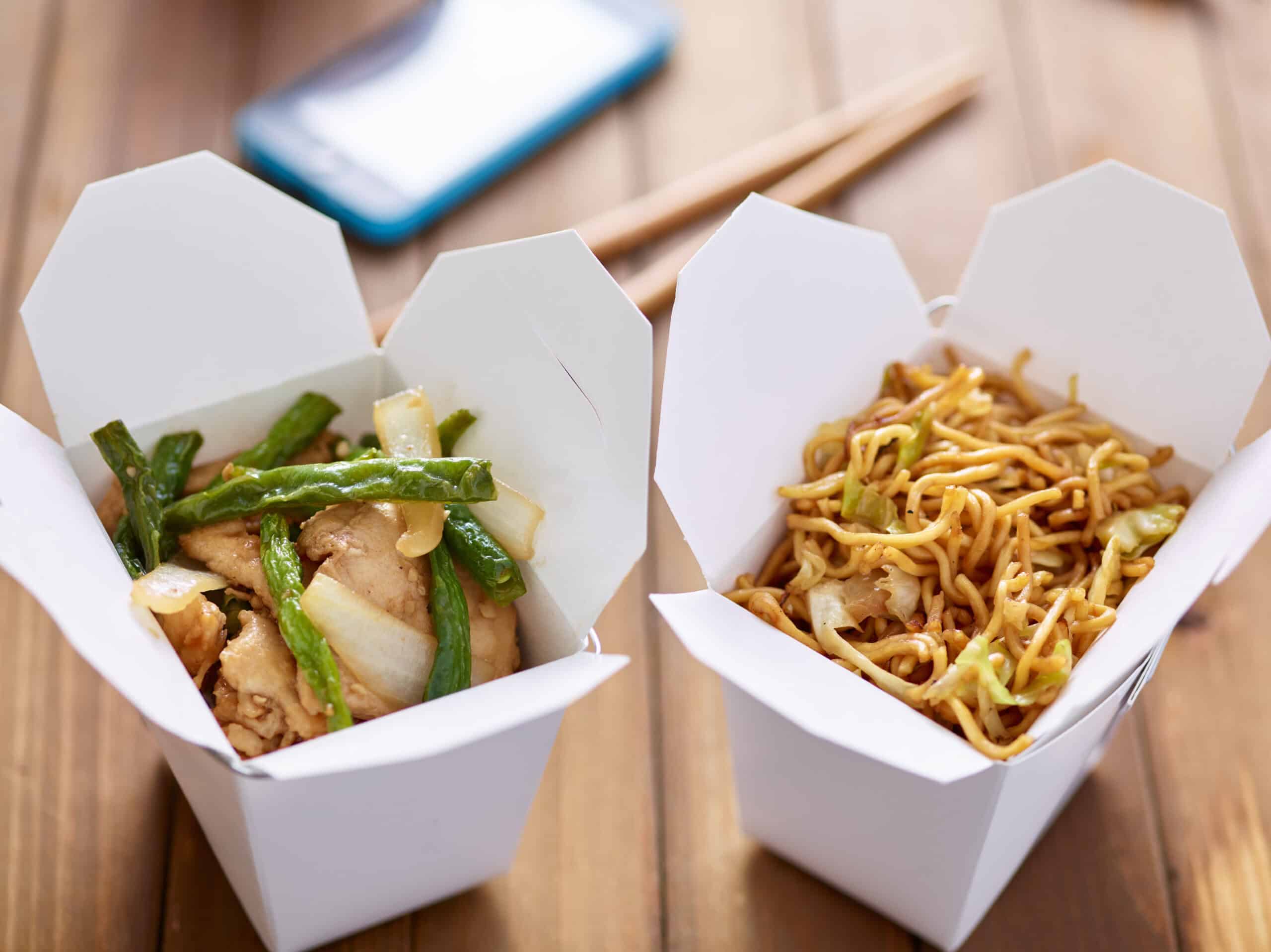
For example, packaging for a dry biscuit will have different requirements from a takeaway container designed for hot, oily food.
Understanding Grease Resistance
Grease resistance is a material’s ability to resist the penetration of oils and fats.
It is particularly important for packaging products such as pastries, fried foods, biscuits and other oily or fatty foods.
Grease-resistant papers and boards can help:
Reduce the penetration of oils and fats.
Prevent unwanted grease staining.
Maintain the appearance of the packaging.
Improve packaging performance for specific food applications.
Some specialist papers and boards use coatings or treatments to provide additional grease resistance. However, performance will vary depending on the material and its intended use.
Understanding Moisture Resistance
Moisture resistance describes a material’s ability to withstand exposure to water or humidity without losing its required performance.
This can be particularly important for chilled food packaging, takeaway products and applications where condensation or direct moisture exposure may occur.
Suitable materials can help maintain the strength and structure of the packaging, reducing the risk of weakening or deformation.
It’s important to remember that resistance to liquid water, water vapour and humid conditions are different properties. The right specification will depend on the conditions the packaging needs to withstand.
What About Plastic-Free Barrier Materials?
As businesses look for ways to reduce their reliance on conventional plastic packaging, interest in plastic-free barrier papers and boards continues to grow.
These specialist materials can offer particular barrier properties while providing an alternative to conventional plastic barrier layers.
However, not all barrier materials offer the same performance. It’s important to consider the level of grease or moisture resistance required, alongside the packaging format and intended use.
Sustainability should also form part of the decision. Plastic-free does not automatically mean recyclable or compostable, so the complete packaging structure and available disposal routes should be considered.
At Chapelton, we offer specialist paper and board materials designed for a variety of packaging requirements, including options with specific barrier properties.
Five Things to Consider When Choosing Food Packaging Board
Before selecting a material, consider the following:
The food product: Is it dry, oily, fatty or moisture-rich?
The conditions of use: Will the packaging encounter heat, cold, condensation or humidity?
The required barrier: Do you need grease resistance, moisture resistance or both?
The packaging format: Will the material need to be printed, folded, sealed or converted into a particular shape?
Food-contact and sustainability requirements: Is direct food contact involved, and are there particular environmental or certification requirements to consider?
Having a clear understanding of these requirements will make it easier to identify a suitable material for your project.
Find the Right Packaging Material with Chapelton
Choosing the right food packaging board involves balancing performance, practicality and sustainability.
Whether you’re developing new food packaging, reviewing an existing specification or exploring plastic-free alternatives, selecting the right material is an important first step.
At Chapelton Board Sales, we work with customers to help identify paper and cartonboard materials suited to their individual packaging requirements.
Looking for paper or board with specific grease or moisture resistance?
Get in touch with the Chapelton team to discuss your application and explore the available options