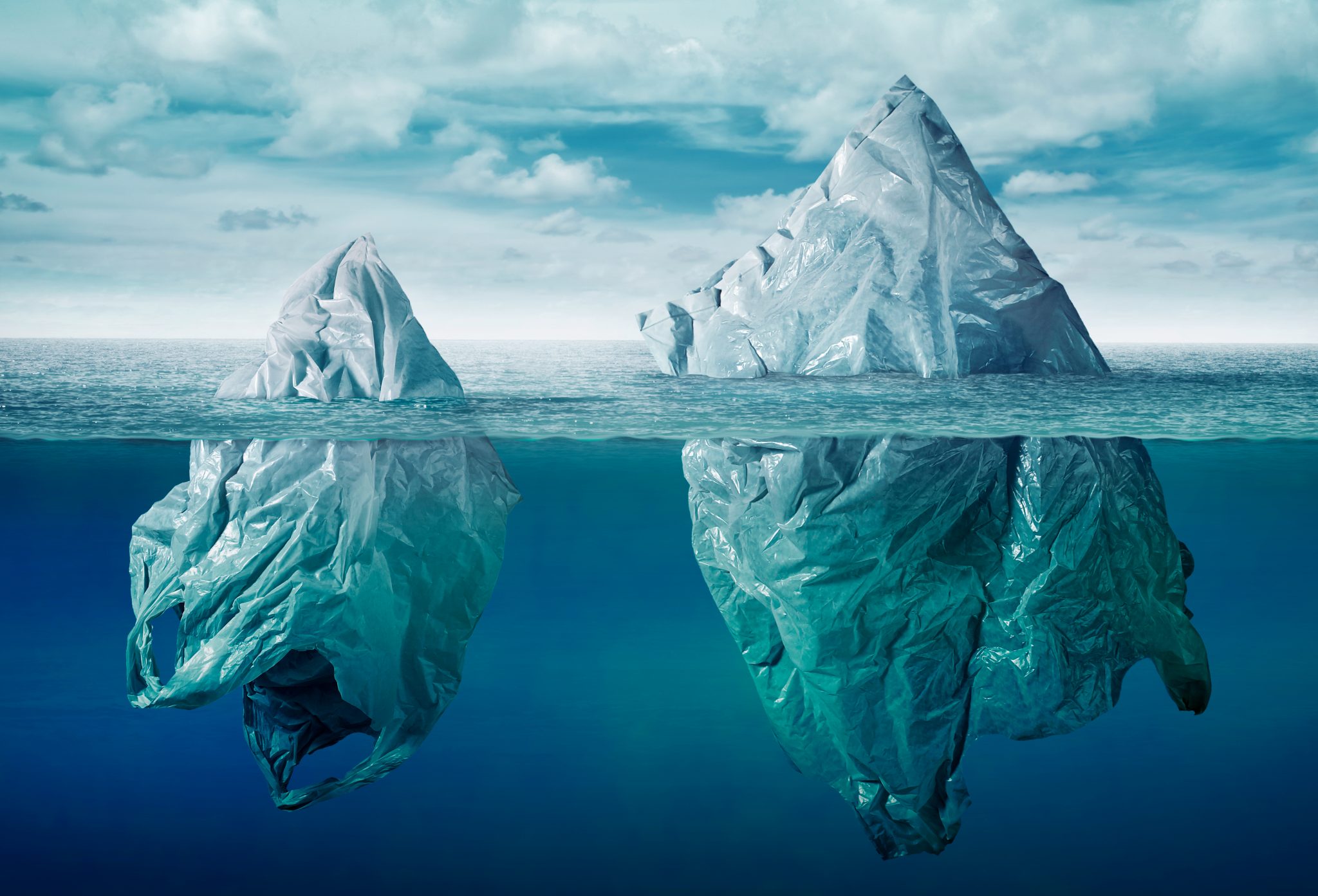
Plastic is a huge part of our day to day lives and is in nearly everything we use even if we don’t realise it. It is such a commonly used material that we think very little about about its usage or the problems it may cause. It can be hard to understand what a huge problem the use of plastic presents, just think about this …
We make nearly 1 billion tonnes of plastic every 3 years, we have manufactured more plastic in the first 10 years of this century than the whole of the 20th century combined.
Plastic is one of the most enduring and hard wearing materials we produce today; it takes an estimated 500 – 1000 years for it to degrade, even then degraded plastic presents its own issues and concerns to the land and wildlife. 50% of the plastic we produce is used only once before being thrown away, this is most common in the food to go sector where nearly all quick food and drink is packaged in plastic of some form and disposed of after use. When we consider 8 million tonnes of plastic ends up in the ocean every year we must look at ways in which we can reduce the use of plastic and more importantly single use plastic.
So what can we do to help?
Below are a few easy changes we can make to reduce our plastic footprint and help in the fight to stop plastic pollution.
Coffee Cups
We have come to learn that coffee cups are one of the biggest plastic waste polluters. Littering our streets and waterways. Many did not realise that it is not only the lid that is plastic and commonly not recyclable. The cups themselves are lined with a plastic coating which makes them water tight. This plastic is very hard to remove and there are only a small number of recycling plants with the technology to do this. Meaning these cups are commonly not recyclable and therefore make their way to landfill where they will sit for hundreds, if not thousands of year.
There are plenty of alternatives out there such as reusable plastic coffee cups. Although these are too made of plastic they are not for single use purposes, they can be used over and over for years before they require throwing out. In the UK we use 7 million disposable coffee cups per day, think of the waste we could eliminate if we opted for reusable options. Many coffee shops are getting behind this new movement and offer discounts on drinks when you provide your own cup. It sounds like a small thing but if even 50% of the UK started using reusable cups we could save 3.5 million cups per day making their way in to landfill and the surrounding environment.
Packaged Produce
Supermarkets have made every effort to make our lives easier and enabled us to shop quickly whilst still getting everything we need. One way in which they have done this is by packaging most of their fresh produce in plastic bags. Fresh fruits and vegetables are amongst the worst offenders but it by no means stops there. Loose produce is fairly uncommon in most supermarkets today, very rarely are you able to purchase the things you need without being met with a pile of plastic. Although the tides are slowly shifting more needs to be done. You can help by buying fresh, loose produce where available, you are doing your bit to stop unnecessary waste and showing the supermarkets the demand for plastic free is not to be ignored.
Straws
The war on straws has fully taken hold of the public. After the countless images of their impact on marine life as well as on land, people have realised the sheer volume of problems plastic straws cause. In reality straws are such an unnecessary thing, there are very few drinks that require straws to be used. The UK fast food industry alone uses 8.5 billion straws per year, when you consider the amount used elsewhere the figure is truly alarming. These are one of the worst offenders when it comes to single use plastic and can be totally avoided. There are alternatives out there such as the metal reusable versions and many bars and restaurants are now supplying only paper straws. You can do your bit for our oceans by using paper straws where accessible and refusing plastic straws when offered. The less people use them, the less demand there will be to keep producing them. Slowly but surely the number of plastic straws produced and used will decrease.
Plastic Shopping Bags
The urge to reduce the amount of plastic bags we use has been around for a few years, however the latest big push has no doubt come from the scenes of devastation in our oceans. The impact plastic bags have on marine life is immeasurable and we may never truly know the full extent of the harm they cause. We do however know enough to reduce the use of them. After the UK introduced the 5p bag charge the number of plastic bags sold in supermarkets fell by 86%. People now more than ever are reusing their old bags or opting for completely plastic free alternatives. It is a small change that can make a huge difference to the planet and its inhabitants. So do your bit, take your own bags with you when shopping.
Plastic Packaged Items
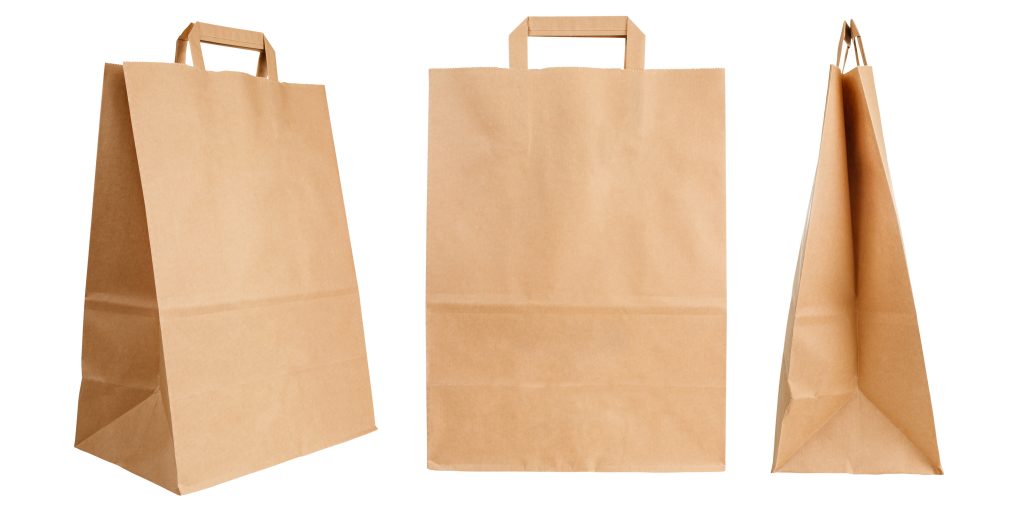
Plastic is easy, convenient and durable. These are the main reasons its use has grown and grown over the decades. Plastic is used in many sectors and products from fashion & accessories to car parts and appliances. We can’t deny its benefits and for many products it is necessary, for others however it is not and this is where we can make an impact. Look out for items that are package free, or in more sustainable materials. Choose cardboard or paper packaging where possible. If we all try to avoid buying items that are heavily packaged in plastic and instead choose the more sustain-ably packaged options we can help reduce the plastic littering the environment.
Plastic Wraps and Bags
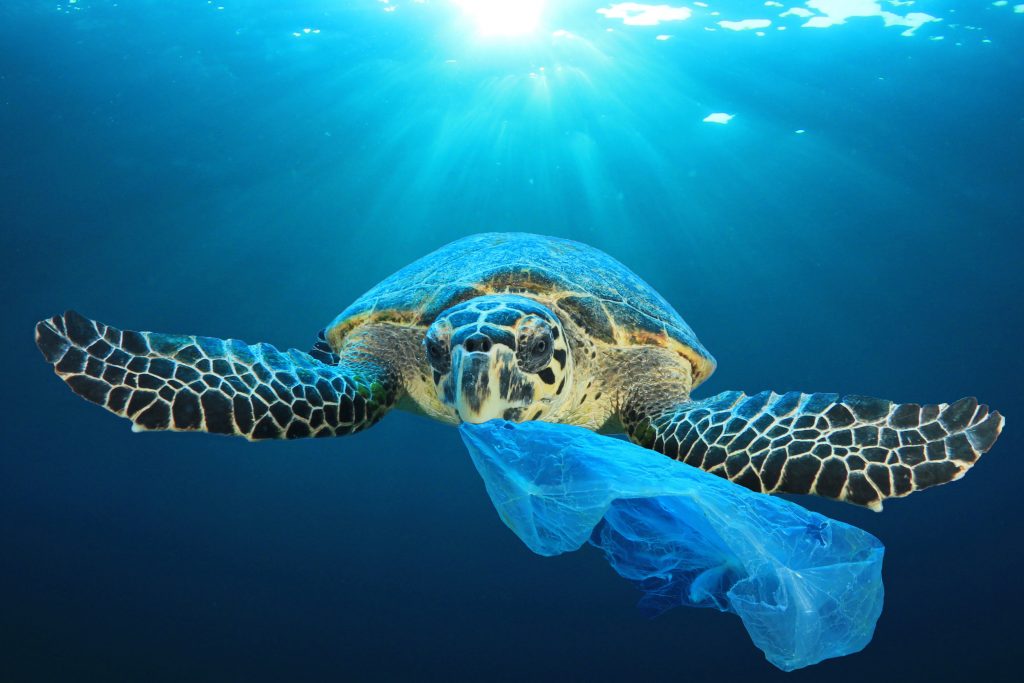
Plastic wraps such as clingfilm and disposable sandwich bags are common household items across the nation. I don’t think until recently anyone has ever thought what happens to them after they are thrown in the bin, or the harm they may cause to the environment. These types of products along with plastic bags are some of the worst offenders when it comes to ocean pollution. They are mistaken for prey and ingested or cause suffocation. There are plenty of easily accessible alternatives which can be reused time and time again or recycled after use. Opt for glass jars or stainless steel tubs which can be used over and over. Oil cloths, parchment papers and fabric covers are a great alternative for quick food covering. If these options are not viable even classic tupperware pots are a better choice, although being made of plastic they can be used an endless number of times.
Party Plastics
Party plastics are high on the list of single use plastics but how many of us ever really considered the use of them as a problem? The issue being nearly every item produced for parties is made of plastic and is often thrown away when it is over. From plastic tableware such as plates and cutlery to balloons and decorations the quantity of plastic adds up. Instead look for some reusable or recyclable options. Fabric bunting is a great way to decorate and can be reused time and time again. Opt for wooden plates and cutlery if they need to be disposable as these can be recycled. Avoid glitter unless it is biodegradable and consider paper decorations such as garlands. The smallest change can have a big impact.
Plastic Bottles
Plastic bottles as many of us know are the worst offenders in plastic pollution. We have seen countless images of bottles clogging up waterways and making their way into our oceans. They are the most overused single use plastic and with 13 billion of them used each year in the UK alone you can see why they cause such a problem. Not only can they take up to 1000 years to degrade, when they do they break down into tiny micro plastics which have a hugely negative impact on marine life. Plastic bottles can be easily avoided by carrying your own reusable drinks bottle and refilling with tap water. If this is not an option look for glass or canned alternatives. Any effort no matter how small to reduce the amount of plastic bottles used can only be a positive.
We can all make small changes day to day that have very little impact on us, but will have a huge impact on our planet