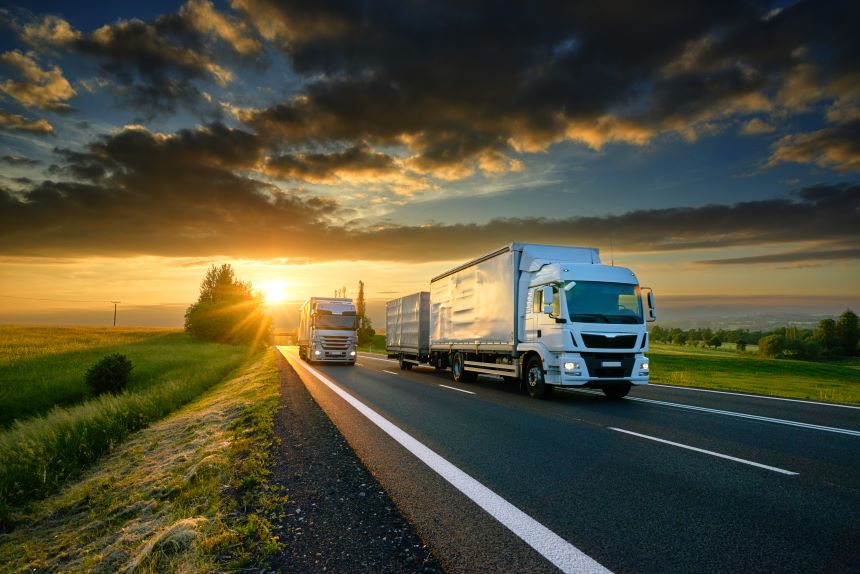
Getting your AEO, customs and logistics in order around Brexit is vital. Otherwise any business that imports and exports from the EU might find the next few months even moreof a challenge than expected.
Are you a paper and board buyer, wondering what will happen after Brexit?
At Chapelton we have been looking at ways to ease you around the potential problems and make you as prepared as possible. This blog is here to help navigate through the imports and exports of paper and board.
BREXIT CHECKLIST DOWNLOAD: if you need our help please download our “10 things to consider pre Brexit” and request a free ‘Brexit Planning’ call .
Are you ready for the change?
The EU are a major trading partner for the UK, the volume of our trading with the EU is £360 million. It is therefore vital that we ensure we prepare ourselves as fully as possible to enable us to continue trading.
With Brexit fast approaching as many as 180,000 UK businesses could need to make a customs declaration for the first time. It is fair to say that some changes with imports and exports were expected once we were no longer part of the EU. It does appear however that the changes may be greater than first thought.
You can also download our Brexit Checklist, “10 things to consider pre Brexit” PDF for a quick guide on things to think about.
Won’t it just stay the same?
The thought that our imports and exports to and from the EU would stay the same is a good one, but unrealistic. The free movement we have across Europe may no longer exist in its current form, it is unlikely the UK Government will be able to get the EU to agree to frictionless trade across its borders.
So what does this mean with future shipments and what can you do to be as prepared as possible?
Of those 180,000 UK businesses, 20,000 – 30,000 might need to register for Authorised Economic Operator (AEO) status, in order to get their shipments fast tracked through customs.
KPMG’s Head of Customs advised “If your firm is one of those, then you really ought to be getting your skates on”
Time is running out on getting this in place before we leaven the EU, approval before the end of the Brexit transition is a must. The delays to shipments during a new customs procedure Is hard to quantify at this time, however The Economist suggested that post Brexit the amount of shipments that require customs clearance will rise from 55 million to 255 million. Delays, procedure adjustments, increased costs and decreased efficiency are to be expected.
Have you applied for AEO?
AEO status indicates that a company’s role in the international supply chain is secure, and that its customs controls and procedure are efficient and compliant. In addition to generally ensuring the right to fast track shipments through the customs process at ports, it also reduces financial security requirements and provides full access to customs special procedure and privileges.
To date, little more than 600 traders have been awarded AEO or trusted trader status by HMRC, the vast majority of which are logistics providers. The low number of traders may be down to the complex application process. It involves 270 questions covering complex legal, IT HR and financial issues and can take as long as 6 months to prepare the paperwork required. You can see why this may put people off.
However, as Brexit approaches and the uncertainty of what will happen sets in, thousands of companies have started to submit their applications. HMRC estimates it might need up to 5000 more staff to deal with the demand. It is fair to say that British businesses are going to be faced with long delays and an unclear future.

You can also download our Brexit Checklist, “10 things to consider pre Brexit” PDF for a quick guide on things to think about.
Will delivery delays be likely?
On Brexit, a customs border might appear overnight between the UK and the EU which may present a significant cost to many groups. Organisations may need to pay customs duty, as well as import VAT when goods pass across the new ‘border’. You’ll need to submit customs declarations and pay administration fees for their completion and submission. Your trade with the rest of the world may also be affected as the UK will no longer have access to EU trade agreements.
What will happen at UK ports and borders?
It is safe to say that after Brexit physical customs checks will be carried out on vehicles entering the UK from the EU. Prior to the trade borders being lifted in 1992 Dover had over 120 agents who worked solely on customs clearing. Since then the figure has dropped to only 30, not enough to process the 500 non-EU, let alone the 8,000 EU trucks that arrive daily into Dover.
Without rapidly hiring and training staff to complete the customs checks, delays are inevitable. The new customs processing could have a knock-on effect to all industries that work alongside the ports. Dover in Kent is Europe’s busiest ferry port and relies heavily on punctual ferries and quick processes to enable the volume of vehicles to pass through it daily. It has been predicted that the delays caused by customs clearing every vehicle could be hugely problematic. Ferry companies will suffer delays as they cannot unload cargo and could lead to less shipments arriving, not to mention large monetary losses for these companies. 30 mile traffic queues are expected across Kent as the port struggles to accommodate the number of vehicles passing through.
We only have to look back at the French ferry strike in 2015 to get a glimpse of what might happen. 7,000 trucks lined the M20 motorway in Kent trying to get to Dover but as no ferries were running, they had nowhere to go. The traffic caused major problems for the surrounding areas and the businesses that depend on shipping. It is estimated that businesses lost £21 million worth of stock, mostly fresh food that spoilt, the issues caused Kent businesses approximately £1.5 million per day.
What can we do to ease this potential problem?
Realistically we need to be aware of possible situations like this and prepare for the worst.
The transition period, no matter how long will potentially be a tough one that will require patience and planning. If possible, hold stock in the UK, if you are able to get as much material delivered and warehoused it will limit the risk of delays and stress.
What do you need to do ?
Although none of us can say 100% what the situation will be like post Brexit, it is safe to say that there will be some challenges. The best option is to be as prepared as possible. Do your research and find ways to make the process as simple as possible. AEO for example will help in the shipment of goods, keep up to date with your suppliers to find out their plans, how they plan to work during this period. Keep stock if possible and just we aware that delays are highly likely.
Assess internally to see how you could potentially alter the way you work to accommodate any changes. Ensure any possible customs paperwork has been scrutinised as this save time when filling out the documents when the time comes.
BREXIT CHECKLIST DOWNLOAD: if you need our help please download our “10 things to consider pre Brexit” and request a free ‘Brexit Planning’ call.