
If your job requires you to buy paper, you will be aware of the increasing price of paper and paper based products. Like any commodity we expect fluctuations, but the question everyone wants answered is “why has the last 2 years seen only increases?”
This blog post contains information about what affects the price of paper. Most importantly it goes on to look at what you can do about it and how to get your paper at the best prices. It is a conversation Chapelton has frequently with paper and cartonboard buyers.
Want to beat the price rises and the effects of Brexit? Request a call back from us today.
How Pulp Demand Effects the Price of Paper
The price of paper is directly linked to the that of pulp, its main constituent part. Why has the price of pulp reached record highs over the past 2 years? Various factors are at play, but the main reason is demand.
People assume in this digital age that the demand for paper would be decreasing, however it actually appears to be growing. Despite Kindles and other tablet devices the desire for printed mediums is as popular as ever. The increased interest in products such as books, newspapers and printed advertising has led to high demand and in turn the increases that we have seen.
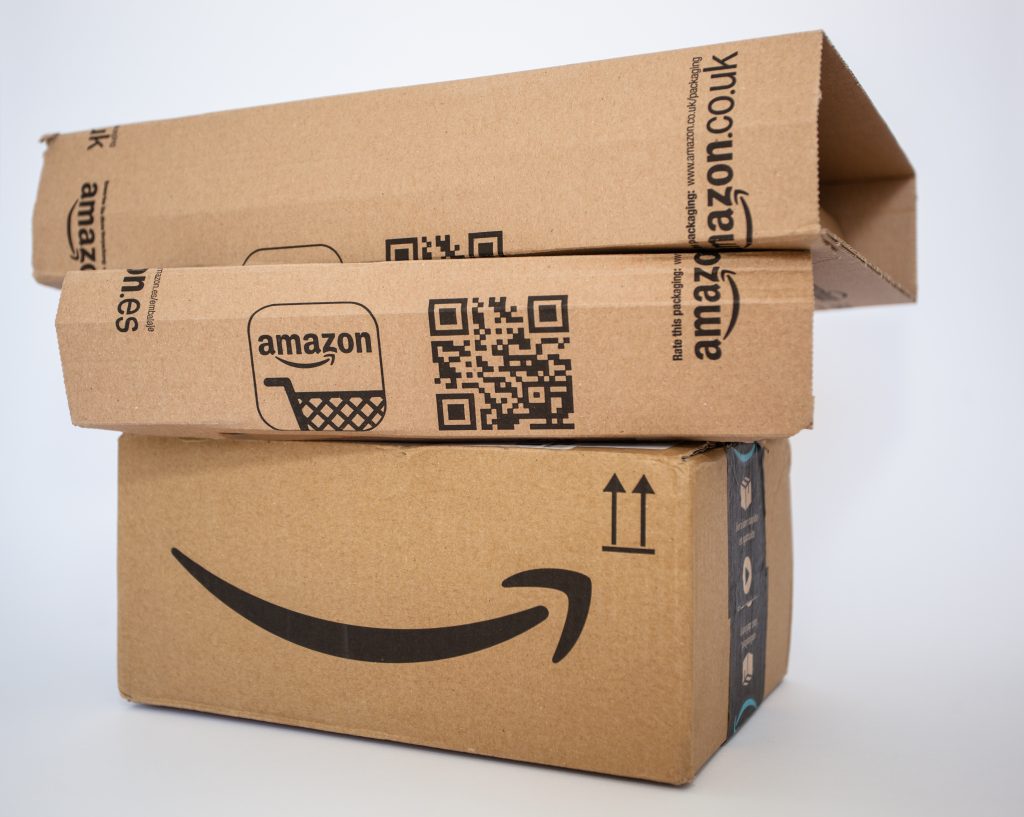
One major factor leading to an increased requirement for paper and paper-based packaging is the sharp and continued rise in online shopping.
Online purchases need to be delivered in packaging that protects the goods and with the move away from plastics such as polybags and other non-renewable materials , many of these deliveries come in paper or cartonboard packaging materials.
The same is happening across the packaging sector. Many everyday products are being redesigned to remove plastics and replace with paper and cardboard alternatives. As innovative uses are being found for pulp-based products, demand increases.
Environmentally Friendly Pulp-Based Products
Innovation and environmental issues are resulting in pulp products now being used for a wide variety of end uses. As we become more environmentally aware of what we produce and the impact that it has on the earth, plastic free and ethically sourced materials are more popular than ever. Wood pulp being one of the most sustainable materials is in demand. Its uses now include bio fuels, nappies, hygiene products as well as fashion and textiles.
These alternative uses are putting pressure on the pulp industry to keep up with demand.
Other Factors Effecting the Price of Paper
There are wide variety of additional factors, on top of the cost of pulp, that contribute to the increased price of paper. Extra production and running costs can have a huge impact alongside the increased costs of ingredients and additives such as the chemicals used to treat the pulp.
The cost of fuel and energy such as electricity has gone up worldwide. These increases are added into the production costs along with factors such as time taken to produce the material and staff wages. Increasing logistic costs have a knock-on effect as the extra costs must be considered and allowed for.
Suppliers will try to keep prices as competitive as possible, but this is not always achievable when so many variables must be factored in.
What Can I Do to Keep Pricing Down?
One-way people are easing the impact of price increases is by light weighting, even a few gsm lower than the current material ordered can help with keeping your costs down. It is good business to ensure that you are using the correct material for the product that is being printed or packaged. This of course may involve trials, and can be time consuming, however it is a potential option.
Chapelton can help you explore options for reducing your price of paper. Request a call back or get in touch on 01622 882280. We’ll be happy to help you.
Has Brexit Increased the Price of Paper?
It is hard to pinpoint the effect Brexit has had on the price of paper and the paper product sector so far. It is safe to say that is has increased uncertainty within the market. We have heard how businesses have reduced or delayed new product launches and trials, citing concerns around possible price increases as well as delivery problems and delays.
A big factor around Brexit will be whether the EU and the UK continue to have a close relationship or whether supply between the two becomes too difficult.
We hope it is not the later but have created a Brexit Checklist to assist you and advise of what we can potentially expect.
BREXIT CHECKLIST DOWNLOAD:
Get our “10 things to consider pre Brexit” and request a free ‘Brexit Planning’ call.
What Are The Potential Impacts Of Brexit?
- Charges and duties adding to the costs of importing goods
- Longer lead times for production
- Delayed deliveries
- Further price increases as costs rise due to trade deals or lack of
- Less material sent to UK market as supply becomes challenging
What Can You Do To Limit The Effects?
If possible, it would be hugely beneficial to get material over to the UK before Brexit hits.
Some are predicting long delays and possible trucks shortages. The ports have warned of long delays and thousands of trucks coming to a standstill. If the material is in the UK, the risk of delayed print jobs or running out of material are reduced if not eliminated.
Whether it is held in your own warehouse, or stored for you, having material this side of the channel would help a great deal. It would eliminate long lead times and delivery delays, keep prices steady and ensure material is available when needed. Be as prepared as possible.
This may also be an effective way to beat possible price increases. Stocking up on goods needed for the next few months would keep prices level while we learn what the effects of the UK leaving the EU will be.
BREXIT CHECKLIST DOWNLOAD: if you need our help please download our “10 things to consider pre Brexit” and request a free ‘Brexit Planning’ call.