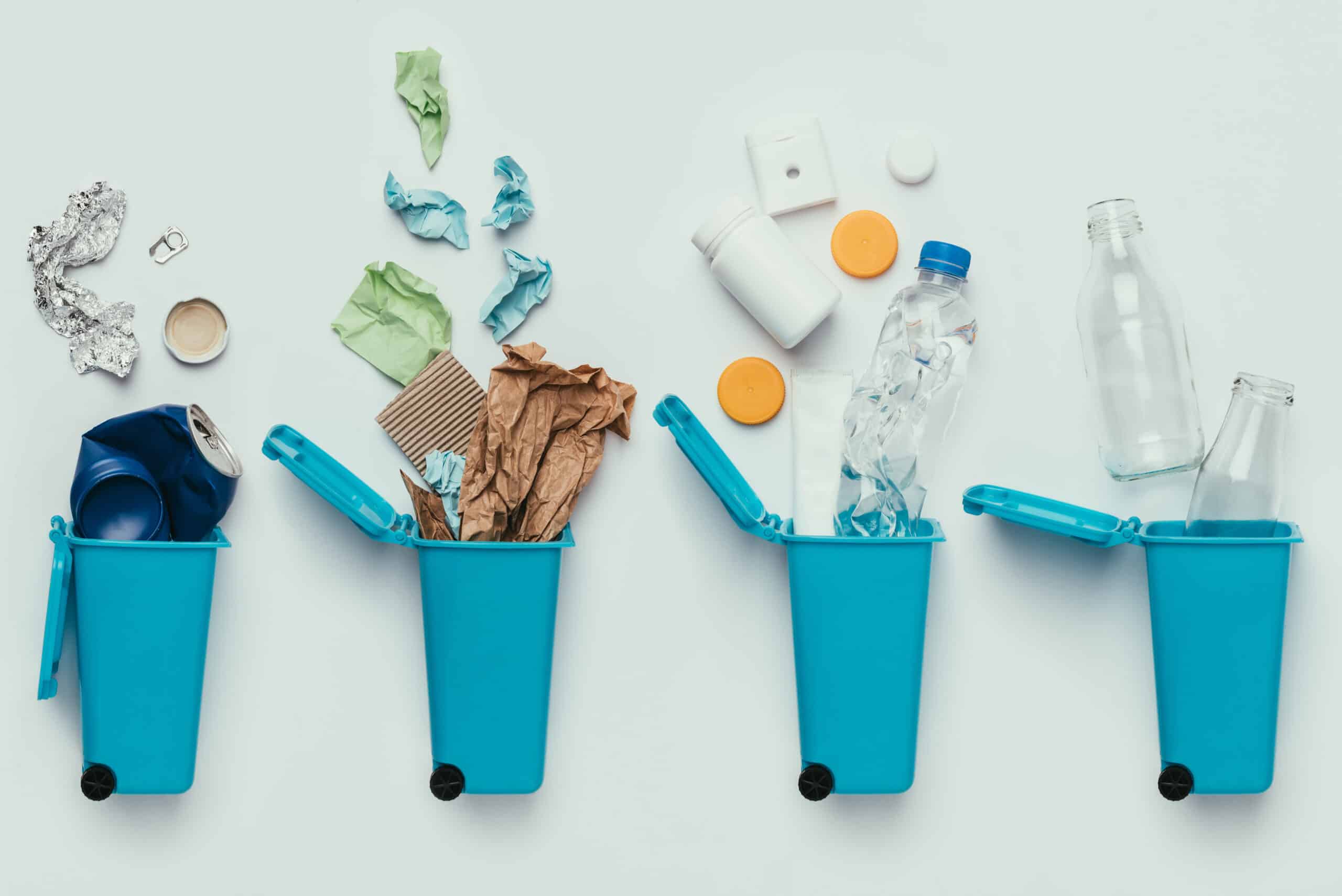
the process of recycling is ever changing, here we look at 2 ways waste is being transformed into something new.
Plastics to Oil Plant to be opened in Wales
A new facility to turn plastic waste into oil is set to create 52 jobs at a Holyhead waste management site.
The plant will open thanks to money received from the UK government’s Coronavirus Business Interruption Loan Scheme and will used to open the plant at Orthios Eco Park.
The money will help buy equipment to process previously unrecyclable items like crisp packets, sweet wrappers, polystyrene and cling film. These items currently end up in landfill and like many plastics take 100s of years to biodegrade.
The P-2-O process, as it is known, converts these plastics into a synthetic oil which has a wide range of uses.
Orthios, says the technology is “cutting edge” and it is planning to start full-scale production imminently.
The development will allow it to almost double the current workforce of 56 on site. Creating jobs in the local area which was hit badly when the steel works closed down as well as recycling previously un-recyclable plastics.
Chief executive Sean McCormick, said: “Establishing our new plastics recycling centre is a key part of our overall plan to treat waste as a valuable resource with a huge part to play in tackling climate change and building a sustainable, prosperous, carbon-neutral economy.
“Orthios also plan to apply for a second loan for equipment to produce gas-from-plant material (biomass), which will create further “new employment opportunities and a greener future”.
This project will make a huge contribution to the UK Government’s net-zero carbon targets, reduce waste sent to landfill and increase employment opportunities in the local area.
With more and more innovations in plastic recycling alongside the move to more sustainable materials the future looks bright in the war on plastics.
Kent’s Circular Economy Goal
Kent County Council has taken yet another step towards its goal of a circular economy for Kent’s waste. Their goal is to recycle all food waste within Kent.
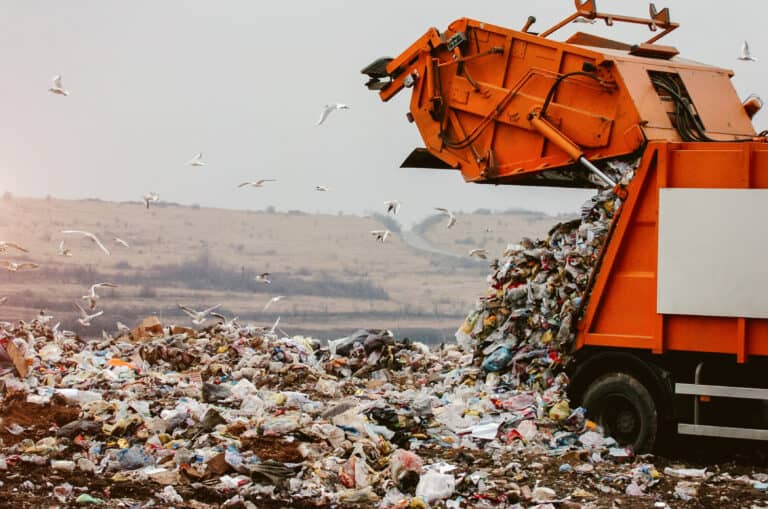
With 45,000 tonnes of food waste collected annually from Kent households, the council are looking for ways to utilise the waste rather than sending it to landfill.
The food waste will be turned into biogas at a new anaerobic digester at Blaise Farm Quarry near Kings Hill.
The biogas will be fed directly into the National Grid, supporting the push for renewable energy and reducing our reliance on fossil fuels.
The biogas, along with powering the plant itself, will be used to create fertiliser for farms across the county.
KCC estimate around 5 million m3 of gas will be created alongside 5.2million kWh of electricity, enough to power around 3,600 homes.
As well as recycling today’s level of food waste, the new anaerobic digester has the capacity to recycle much higher quantities. This means that the recycling scheme is more than equipped to transform waste into energy now and in the future. Taking into account the expected population growth and household increase in Kent for the foreseeable future.
In order for this scheme to run at it optimal level Kent’s residents will have to play their part too. It is important that food is separated from general waste. In that way we ensure that all food waste will make its way to the digester rather than landfill.
Alongside creating sustainable energy resources the circular economy will also supports local employment and economic growth in the county.